
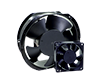
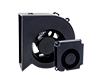
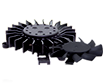
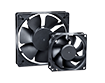
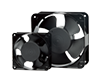
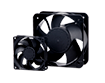

High-Performance FDB Bearing vs. 2-Ball Bearing
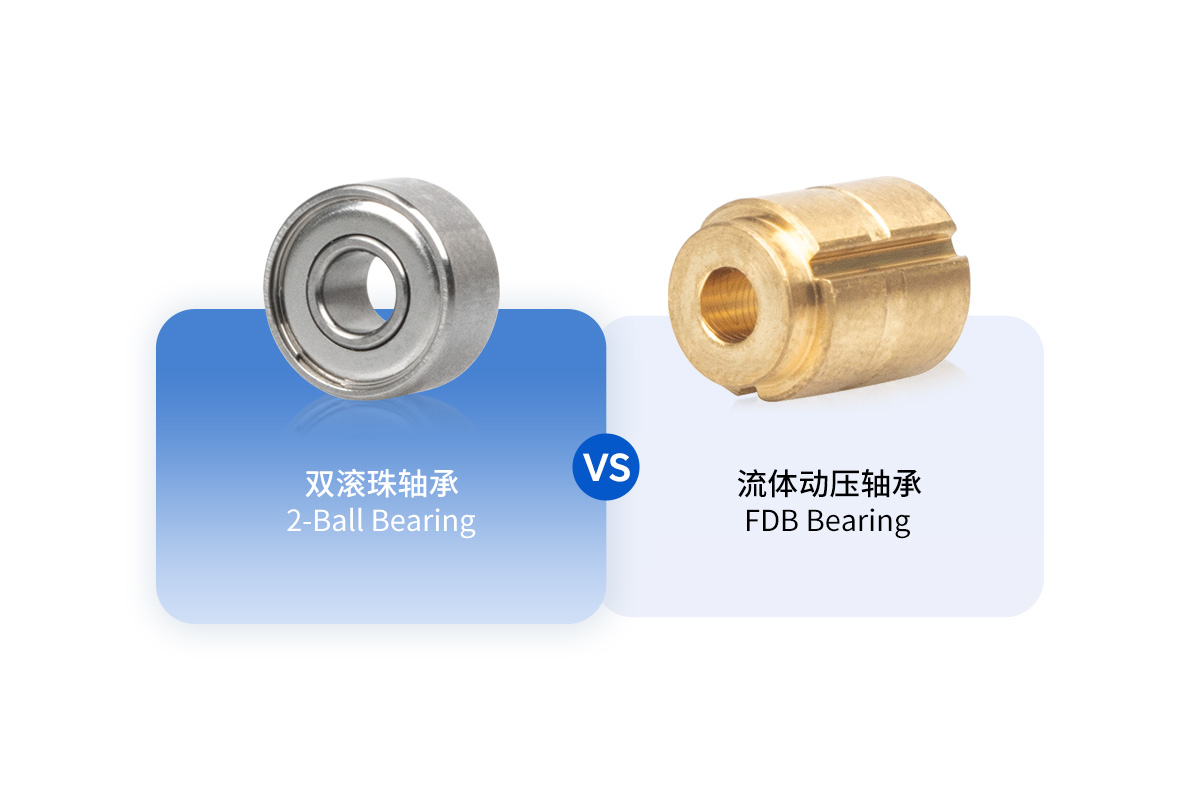
High-Performance Cooling Fans: 2-Ball Bearing vs. Fluid Dynamic Bearing (FDB)
In rotating components such as cooling fans and precision motors, 2-Ball Bearings and Fluid Dynamic Bearings (FDB) are preferred bearing solutions featuring high reliability and long service life. Representing the technological pinnacles of high-reliability rolling friction and ultra-quiet fluid friction respectively, they directly determine a product’s service life, noise level, stability and overall cost.This article analyzes the differences between FDB bearing fans and 2-ball bearing fans from the perspectives of working principle, noise performance, service life and maintenance, assisting engineers and purchasers in understanding their pros and cons and providing references for decision-making.
1. Core Principles: 2-Ball Bearing vs. Fluid Dynamic Bearing
1.1. 2-Ball Bearing
Features a dual-row ball rolling friction structure, with the rotating shaft supported by two sets of balls, delivering low friction coefficient and even stress distribution.
Structure: Inner and outer rings + steel balls + cage + high-temperature-resistant grease
Advantages: Metal rolling contact, vibration resistance, dustproof, strong adaptability
Disadvantages: Obvious spring and ball noise at low rotational speeds
1.2. Fluid Dynamic Bearing (FDB)
Precision lubricating fluid is filled between the shaft and bearing. A high-pressure dynamic fluid oil film forms during rotation, achieving fully non-contact suspension support.
Structure: Precision sleeve + dynamic oil pressure grooves + long-acting sealed fluid
Advantages: No metal contact, zero mechanical wear, ultra-quiet, long service life
Disadvantages: Oil film properties affected by temperature; risk of fluid degradation under extreme working conditions
2. Key Performance Comparison
2.1. Service Life (L10 Estimated)
2-Ball Bearing: 70,000+ hours at 40℃ operating temperature; resistant to high and low temperatures with low degradation; noise increases gradually before failure, providing clear early warning
FDB: 50,000+ hours at 40℃ operating temperature; resistant to high and low temperatures, dependent on sealing and lubricant; relatively sudden failure mode
2.2. Noise Performance
2-Ball Bearing: Noticeable ball noise at low speeds; excellent performance at medium and high speeds
FDB: Smooth noise without sharp peaks; significant quietness advantage
2.3. Manufacturing & Application Scope
2-Ball Bearing: Steel construction with multiple small balls surrounding the shaft; suitable for medium-to-high speed fans of various sizes
FDB: Copper construction with internal oil-retaining grooves; aerospace-grade high and low temperature resistant grease; ideal for small-size fans
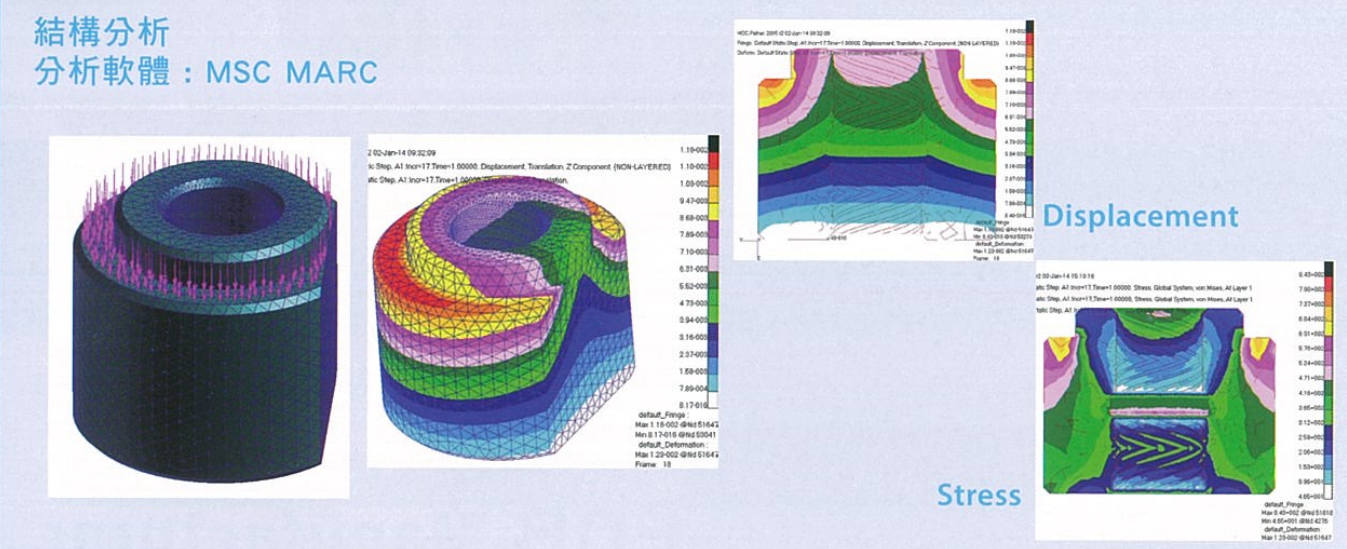
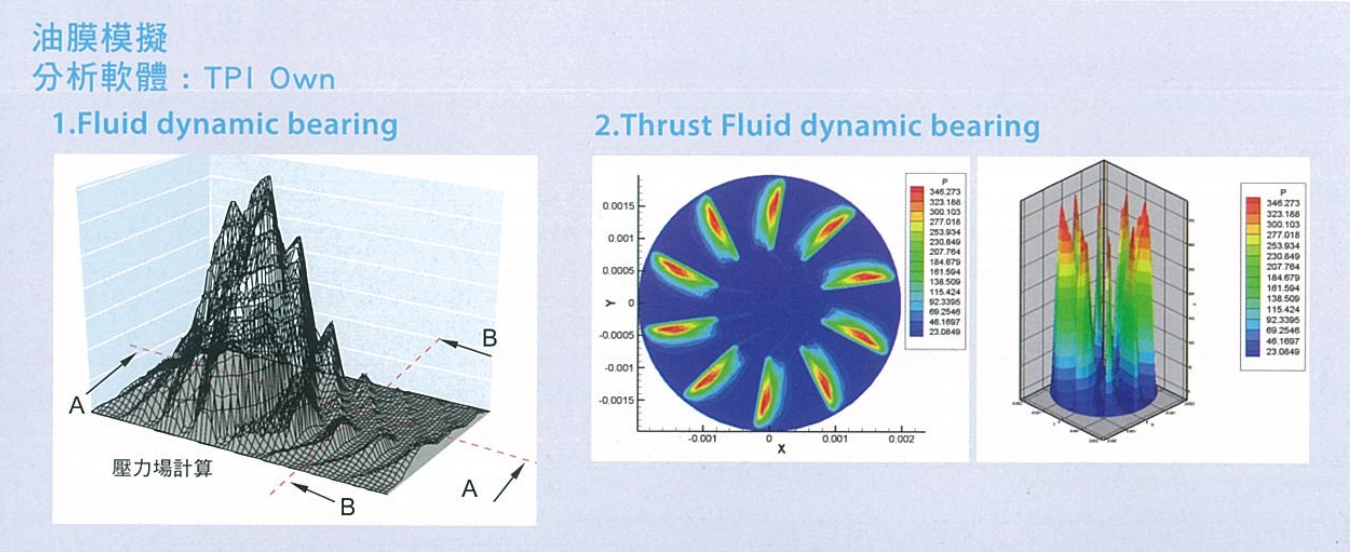
Finite Element Analysis (FEA) of Oil Film Pressure in FDB Bearing Systems:
3. Selection Guide: Match by Application, Maximize Performance
|
Application Scenario |
Recommended Bearing Type |
Key Considerations |
|
Office Equipment |
FDB Bearing |
Low noise, long service life, meets daily cooling requirements |
|
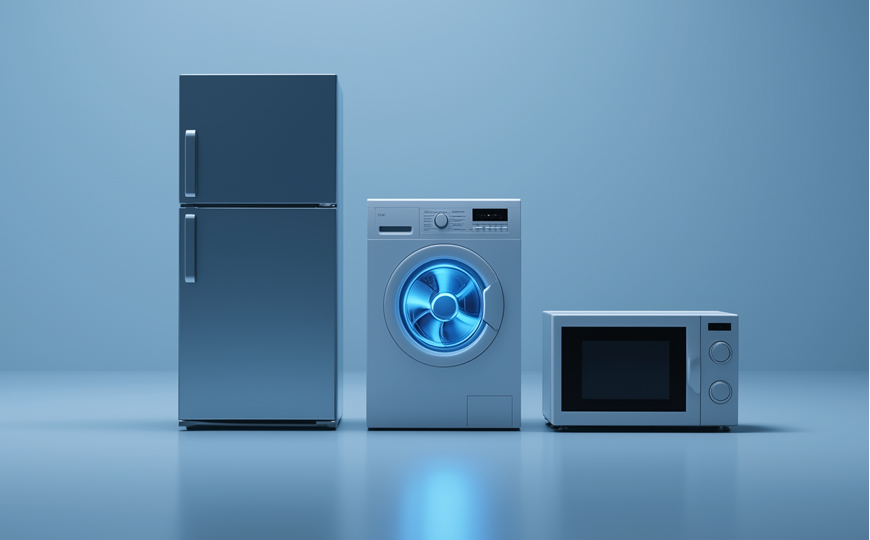
Household Appliances |
FDB Bearing |
High cost-performance ratio, balanced noise and lifespan |
|
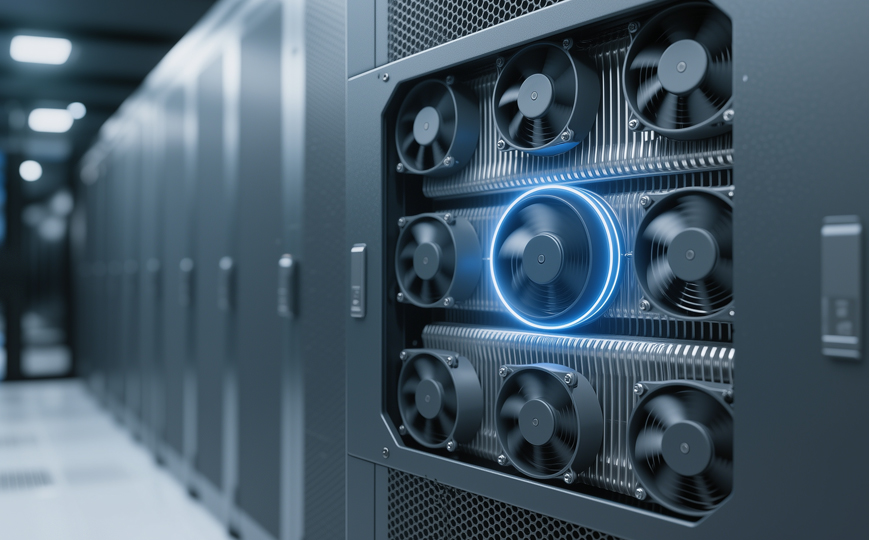
Industrial Equipment |
2-Ball Bearing |
Long service life, high temperature resistance, vibration resistance, strong adaptability |
|
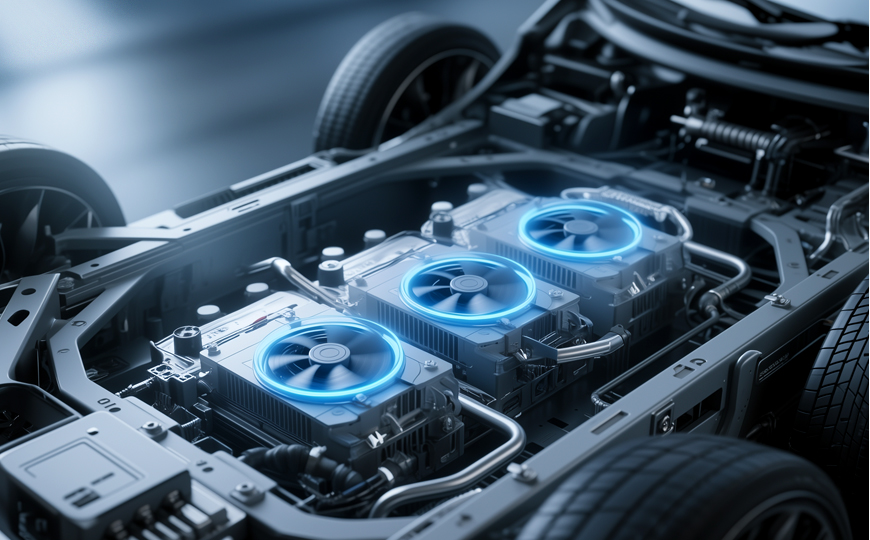
Automotive Applications |
FDB Bearing |
Shock resistance, wide temperature range tolerance, low noise |
|
Mobile Devices |
2-Ball Bearing |
Strong adaptability, high wear resistance |
|
Precision Equipment |
FDB Bearing |
Low noise, shock resistance, long service life |
When selecting a cooling fan, the bearing type is a critical factor that cannot be overlooked. Only by fully understanding the characteristics of 2-ball bearings and fluid dynamic bearings (FDB), and matching them with the requirements of the actual application scenario, can you choose the most suitable product to ensure the fan operates efficiently and reliably to protect your equipment.